Put the Walls to Work
The greatest reservoir of unused square footage on any balcony is not under your shoes; it is the two or three vertical planes flanking your space. Planting vertically surrounds you with natural greenery, cools reflective masonry, and absorbs traffic resonance.
However, successful vertical greenery requires careful management of root depth, wind desiccation, and water drainage so runoff does not drip onto neighbors beneath.
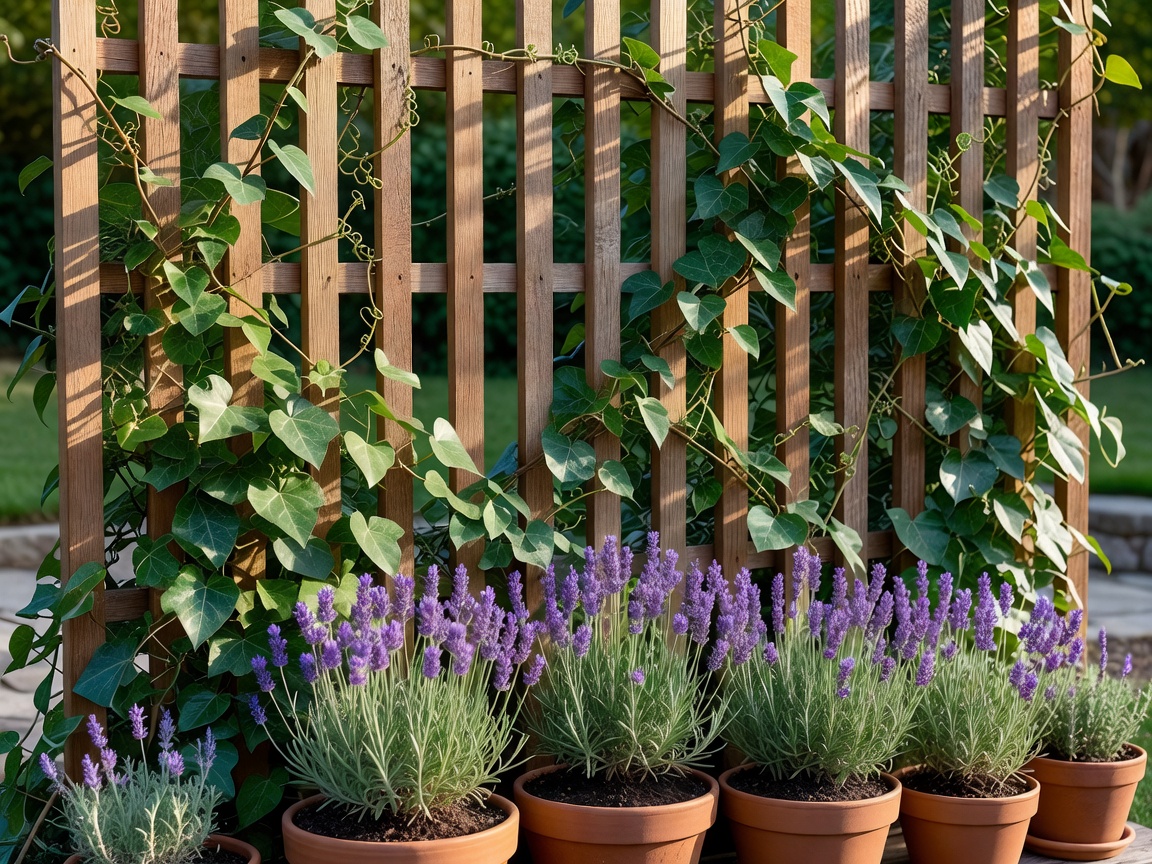 Self-Supporting
Planter-Trellis Combos
Freestanding planter boxes with integrated vertical backboards use the soil weight itself as counter-anchorage, eliminating the need to drill into exterior cladding.
Renter Approved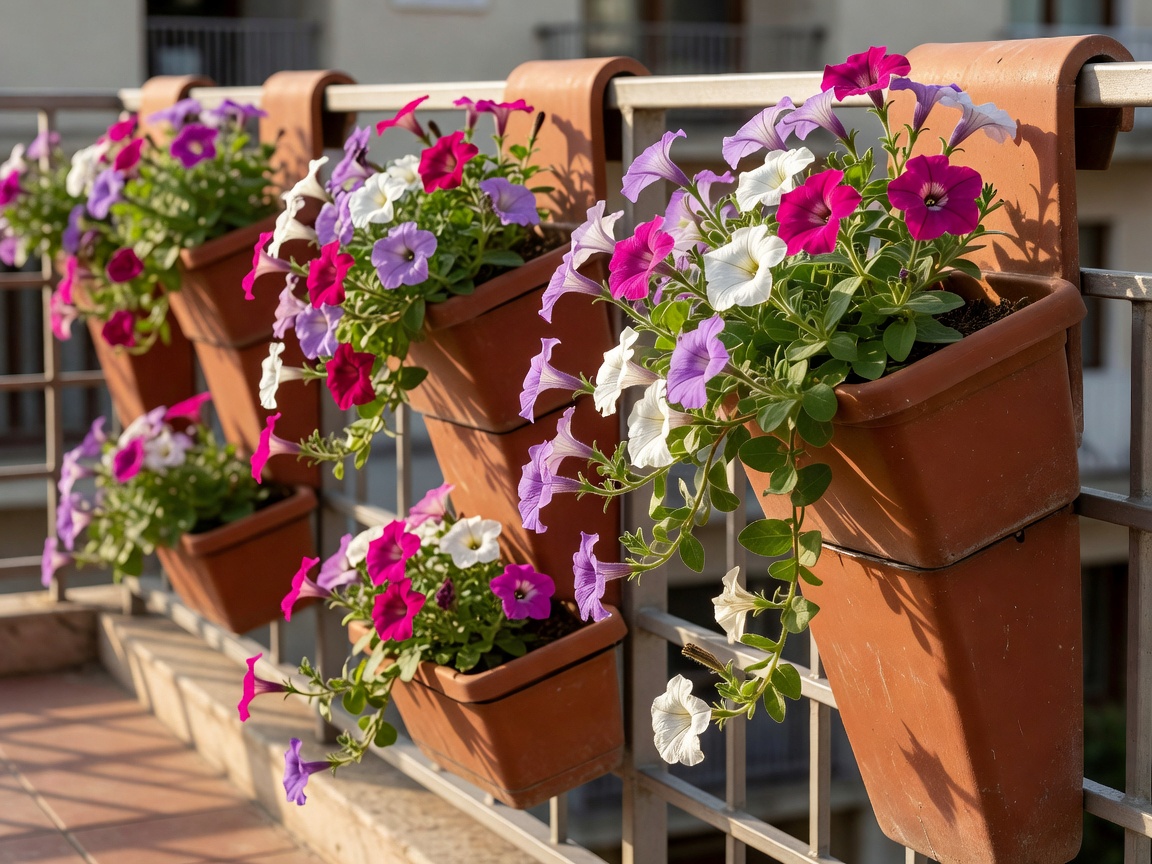 Saddle Mount
Straddle Railing Boxes
Specially grooved planters sit balanced across standard railings. They provide double the planting surface—half facing inward, half facing the street—without using floor space.
No Brackets Needed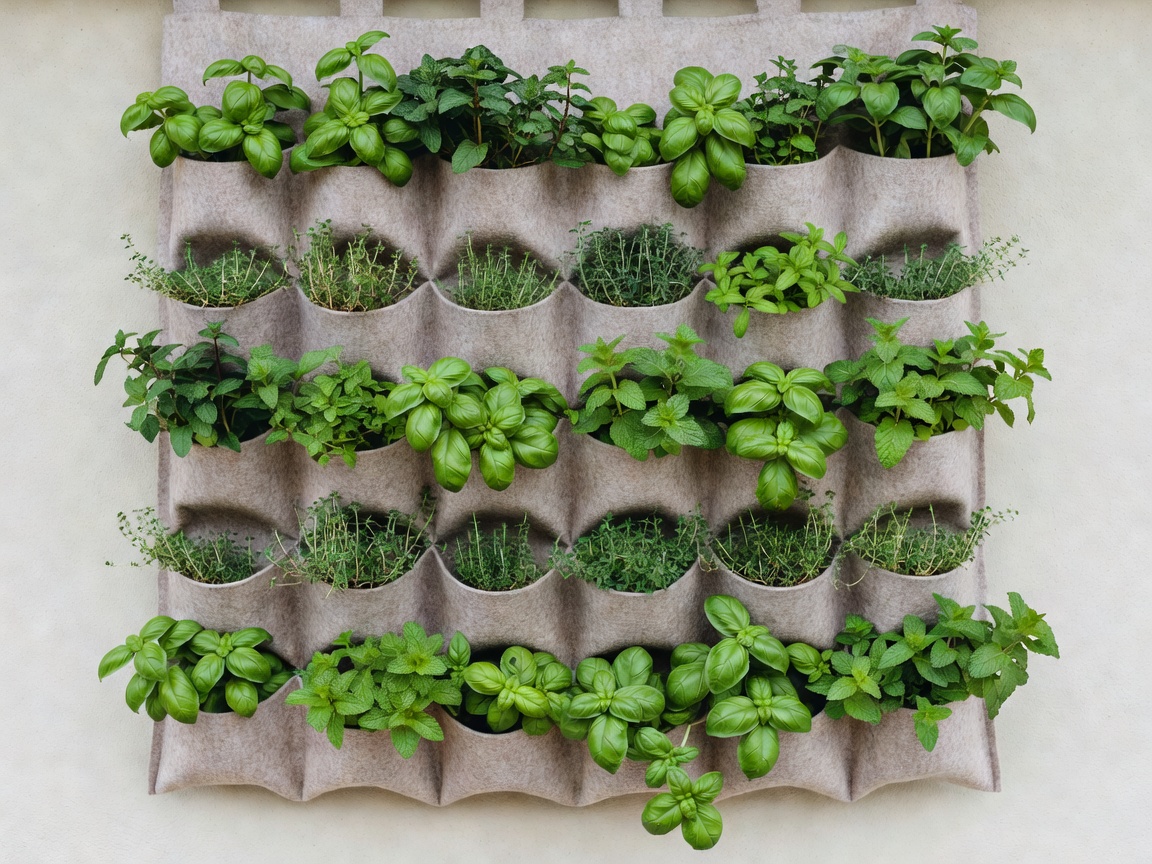 Micro Herbs
Breathable Wall Pockets
Heavy felt fabric allows plant roots to prune naturally by contact with air. Ideal for kitchen herbs like thyme, chives, oregano, and trailing strawberries.
Ultra-LightweightBalcony Soil & Weight Mathematics
Wet garden soil weighs roughly 1.6 to 1.8 kg per litre. A massive 80-litre ceramic planter can easily weigh over 140 kg when saturated after heavy rain.
Top Balcony Plants for Vertical Setups
Not every houseplant survives the microclimates of balcony life. Choose plants that match your sun exposure and wind level:
- Full Sun & High Wind: Rosemary (Rosmarinus officinalis), trailing thyme, dwarf lavender, and climbing nasturtiums. Their waxy or resinous leaves resist evaporation.
- Partial Shade / East Facing: Boston ferns, mint (Mentha), alpine strawberries, and fuchsias thrive in softer morning light without scorching.
- Deep Shade / North Facing: English ivy, hostas in fabric troughs, sweet woodruff, and heuchera with colorful foliage.